Best Places to Live in Thailand: A City-by-City Breakdown for Expats
The best places to live in Thailand are not universally agreed upon — and that's the point. Thailand is a large, geographically diverse country, and the place that works perfectly for a 60-year-old retiree on a pension is rarely the same place that works for a 32-year-old running a remote SaaS business. What the internet tends to produce is ranked lists built for clicks, not for decisions. This article is built for decisions.
Thailand is a huge country, and many places will attract a different kind of profile. That's not a caveat — it's the operating principle. The goal here is to give you a clear picture of each major destination: the cost of living, the infrastructure quality, the expat community density, the visa situation, and the honest downsides. By the end, you should be able to point to one or two locations and say: "That's where I need to investigate further."
If you haven't yet sorted out your entry strategy, start with the Thailand Visa: The Complete Guide for Expats, Retirees, and Long-Term Residents before going too deep into location selection. Your visa type will significantly constrain — or expand — your options.
What Actually Determines a Good Place to Live in Thailand
Before ranking cities, it's worth naming the variables that actually matter. Most expat content collapses these into a single "vibe" score. That's useless if you're making a real relocation decision.
The variables that drive a good fit:
- Cost of living: Monthly burn rate at a comfortable standard, not a backpacker budget
- Infrastructure: Internet reliability, hospital access, road quality, air quality
- Expat community size: Matters more than people admit — it affects social density, service availability, and how easy it is to meet people in similar situations
- Visa compatibility: Some areas are better suited to retirement visa holders; others attract Thailand work permit holders and remote workers
- Lifestyle match: Urban density vs. beach pace vs. mountain quiet — these are real differences, not aesthetic preferences
Get clear on your non-negotiables across those five axes before reading the city breakdowns below.
Bangkok: High Infrastructure, High Stimulation
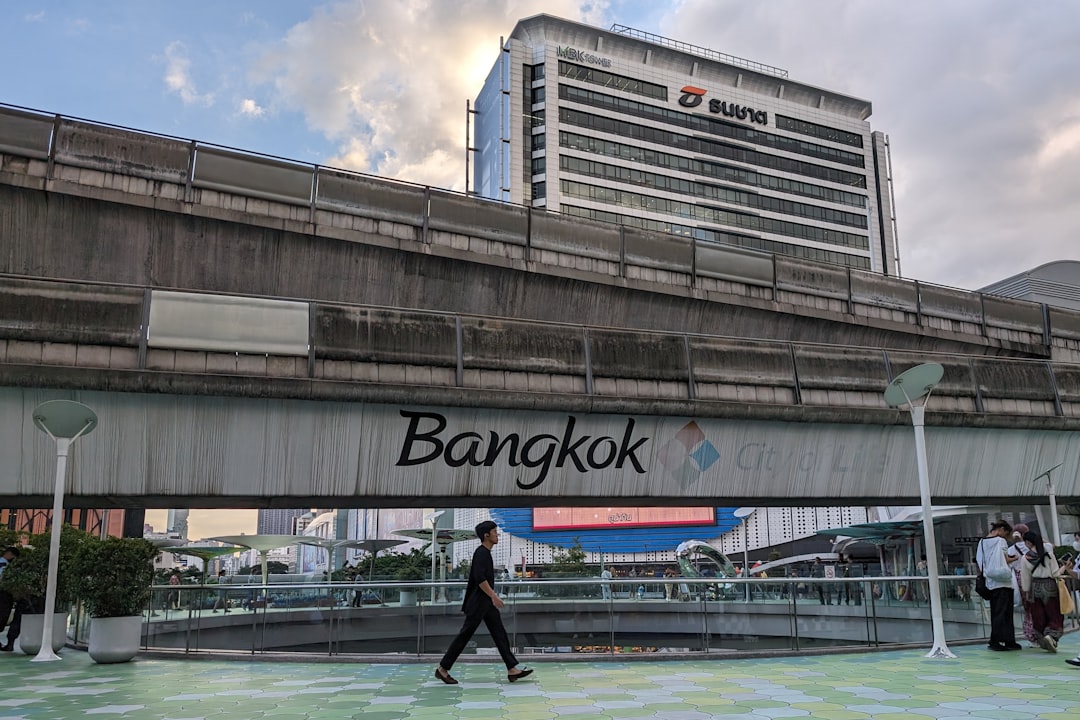
Bangkok is the operational capital of expat Thailand. It has the best hospitals in Southeast Asia (Bumrungrad, Samitivej, Bangkok Hospital), the most reliable fiber internet infrastructure, the deepest pool of international restaurants and services, and the highest concentration of expat communities in the country. If you need something done efficiently — visa paperwork, medical procedures, corporate services — Bangkok is where you do it.
Living in Bangkok costs more than the rest of Thailand, but less than most people assume. A one-bedroom condo in a well-connected area like Sukhumvit or Silom runs between ฿15,000–฿30,000/month (~$420–$840 USD) depending on proximity to BTS Skytrain stations. Add utilities, food, transport, and a modest social life, and a comfortable Bangkok budget lands between $1,500–$2,500/month. Higher if you're eating at hotel-level restaurants every night; lower if you're eating street food and cooking at home.
The BTS Skytrain and MRT systems mean you don't need a car in Bangkok — a significant quality-of-life advantage that often gets underweighted. Traffic in Bangkok is genuinely bad. If you're not near a rail line, factor that into your location selection within the city.
The honest tradeoff: Bangkok is relentless. The air quality, particularly between January and April, ranges from moderate to genuinely hazardous. Traffic noise is constant in most neighborhoods. The city rewards people who like density and stimulation; it grinds down people who need quiet to function. If you need nature, you need to leave on weekends. That's fine for some profiles — it's a dealbreaker for others.
Chiang Mai: The Remote Worker's Default
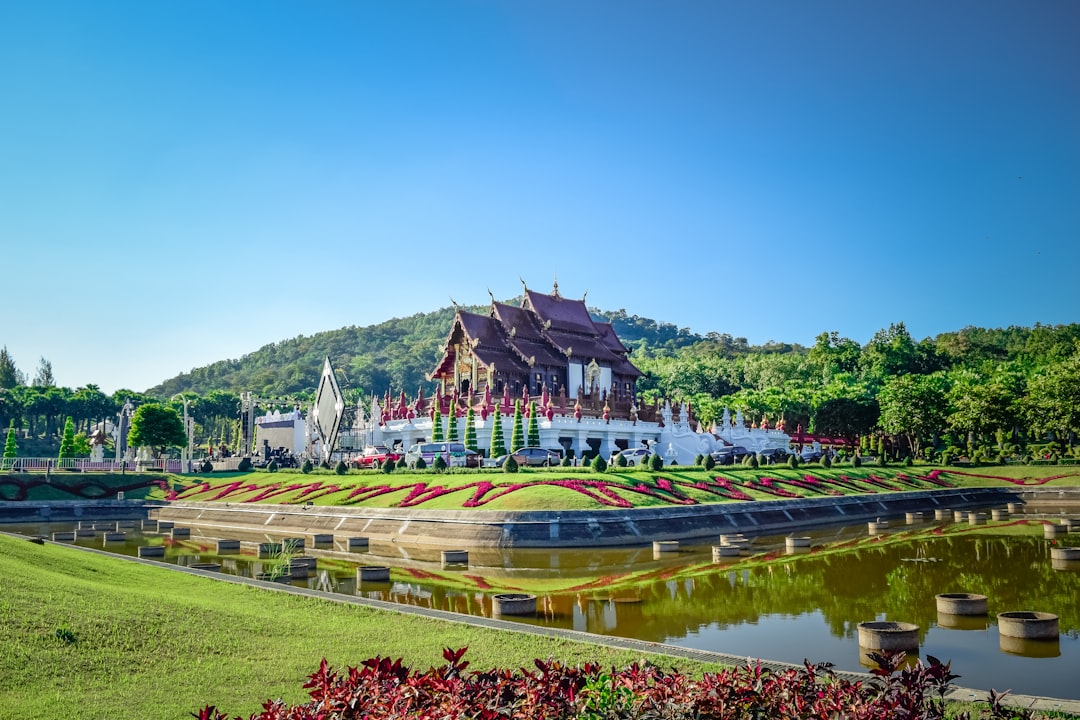
Chiang Mai has been the default destination for location-independent workers in Southeast Asia for over a decade. The reasons are structural: lower cost of living than Bangkok, a large and established expat community, good coworking infrastructure, and a cooler climate relative to the rest of Thailand (sitting at roughly 310m elevation in the northern mountains).
A comfortable one-bedroom apartment in Chiang Mai costs ฿8,000–฿18,000/month ($225–$500 USD). Monthly all-in costs for a remote worker living reasonably well — including coworking membership, gym, good food, and occasional travel — typically run $900–$1,600/month. That's a meaningful gap from Bangkok.
The Old City area, Nimman Road, and the Santitham neighborhood each attract different sub-profiles of the expat community. Nimman is the most commercial and Instagram-friendly; Santitham has better value and a slightly quieter atmosphere; the Old City suits people who want proximity to temples and cultural texture in their daily environment.
The critical infrastructure caveat: Chiang Mai has a serious air quality problem from approximately February through April, driven by agricultural burning across the northern region. AQI readings regularly spike above 200 (Hazardous on the US scale) during this window. If you have respiratory issues, or if you're placing long-term health outcomes in the calculation, this is not a minor footnote. Many Chiang Mai residents treat this as a seasonal evacuation window, leaving for a month or two during the worst of the smoke season. Factor that into your cost model.
Internet quality in Chiang Mai is generally solid for remote work — True Move, AIS, and 3BB all provide fiber services in most central neighborhoods, with speeds of 100–500 Mbps reasonably accessible. Backup connections matter; power outages are more common than Bangkok.
Phuket: Beach Infrastructure With Urban Services
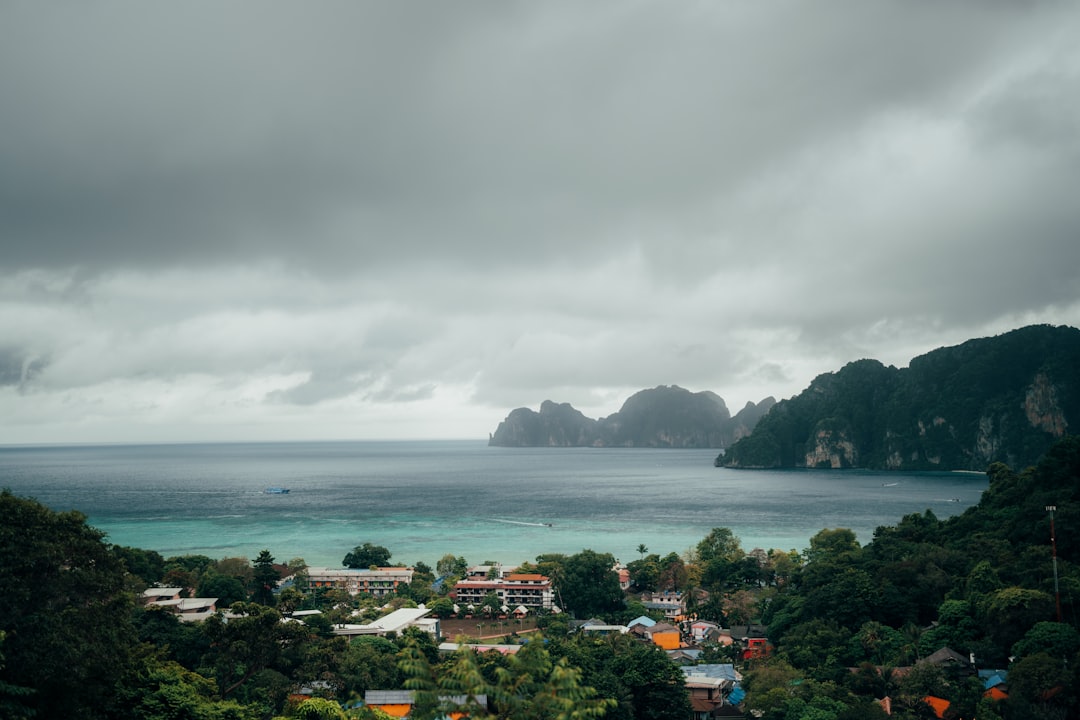
Phuket is not a single place — it's a large island (roughly 50km north to south) with distinct neighborhoods that attract very different profiles. The tourist zones of Patong are functionally irrelevant to long-term living. The areas that matter for expats are Chalong, Rawai, Nai Harn, Laguna, and the quieter corners of Thalang in the north.
Phuket's cost of living is higher than Chiang Mai and comparable to, or slightly above, Bangkok's mid-range. Accommodation costs more because of the real estate premium attached to beach proximity. A decent one-bedroom in a good area runs ฿15,000–฿25,000/month ($420–$700). The tradeoff is access to genuinely beautiful coastline as part of your daily life — not just a weekend trip.
Infrastructure in Phuket has improved substantially. Bangkok Hospital Phuket and Mission Hospital provide solid medical coverage. Fiber internet is available in most residential areas. The main weakness is transport: Phuket has no public transit worth mentioning. You need a motorbike or car. That adds roughly $100–$200/month to your cost model and, more significantly, adds genuine safety risk — road fatality rates in Thailand are among the highest in the world, and Phuket's roads are no exception.
The expat community in Phuket skews older and more retirement-oriented than Chiang Mai. There are remote workers, but it's not the dominant profile. If you're on a Thailand retirement visa and want beach living with reliable medical access, Phuket is a rational choice. If you're a remote worker in your 30s looking for peers, the social environment will feel thinner.
Koh Samui and the Gulf Islands: Slower Pace, Real Tradeoffs
Koh Samui, Koh Phangan, and Koh Tao attract a specific kind of expat: someone prioritizing beach and pace over infrastructure efficiency. That's a valid choice, made consciously.
Koh Samui has matured significantly over the past decade. Bangkok Hospital Samui exists and is adequate for routine care, though serious medical situations require evacuation to the mainland. Internet quality is variable — fiber exists in parts of the island, but reliability drops outside the main commercial areas. Cost of living is moderate: accommodation in good areas of Samui runs ฿10,000–฿20,000/month ($280–$560), and food costs are higher than Chiang Mai because of the island's supply chain logistics.
Koh Phangan attracts a different sub-profile — people in the wellness, yoga, and alternative lifestyle space. The Full Moon Party reputation is real but mostly irrelevant to the expat residential experience; the main residential areas around Thong Sala and the north coast have a reasonably quiet daily atmosphere.
The honest limitation of island living: You're on an island. Ferry schedules, weather disruptions, and logistical friction are real operating costs. If you need to move with speed — for business, for medical reasons, for anything urgent — island life adds latency. This suits some profiles and creates genuine stress in others.
Hua Hin: The Retirement Town That Works
Hua Hin doesn't generate much content hype, which is probably part of why it works well for the profile it suits. It's a beach town about 200km south of Bangkok on the Gulf coast — easily drivable or accessible by intercity train. The expat community is predominantly retired Europeans and Thais who've returned from abroad. It's quiet, clean by Thai standards, and has a surprisingly good restaurant scene driven by Scandinavian expat density.
Cost of living in Hua Hin is lower than Phuket and roughly similar to mid-tier Chiang Mai. Accommodation runs ฿8,000–฿18,000/month for a good one-bedroom or small house. The beach is accessible but not the dramatic turquoise-and-limestone scenery of the Andaman coast — it's a calmer, flatter Gulf coast beach.
For expats on a Thailand retirement visa, Hua Hin has practical advantages: proximity to Bangkok for visa runs and medical appointments, lower costs than the main tourist destinations, and a peaceful atmosphere that doesn't require active management to maintain. The weakness is the limited professional and business ecosystem — this is not a place to find a coworking community or build professional relationships in Thailand.
Pattaya: Cheap, Convenient, and Honestly Assessed
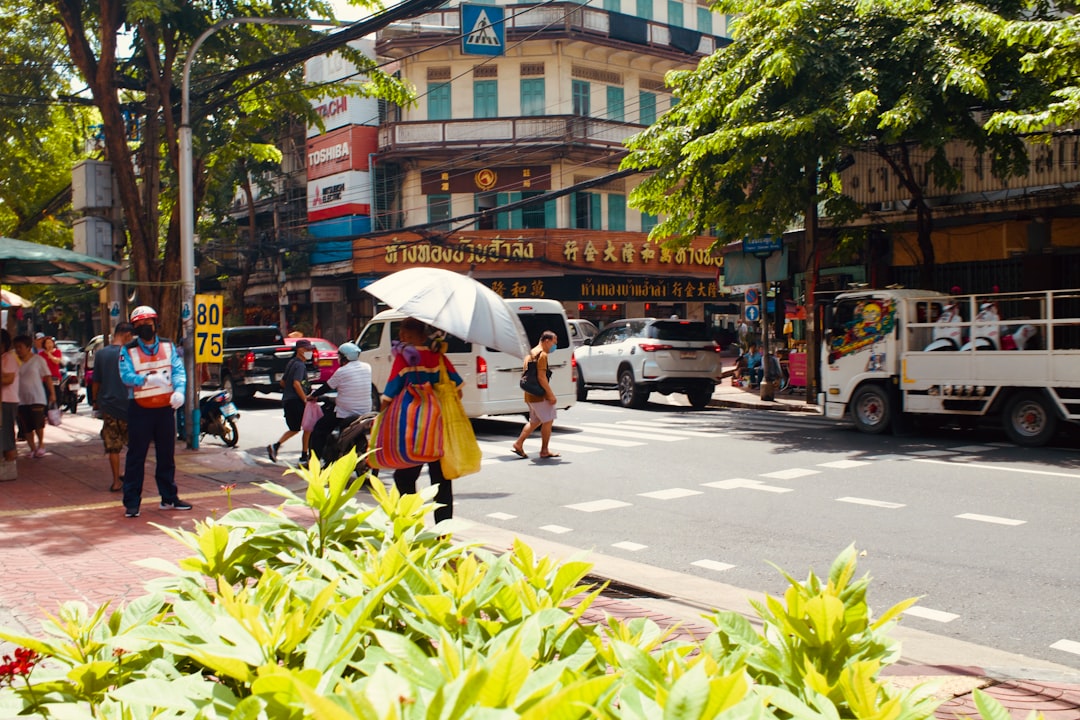
Pattaya has a reputation that precedes it, and it's not entirely wrong. But it's also one of the cheapest places to live well in Thailand, with solid infrastructure, proximity to Bangkok (about 90 minutes by road), and a large expat community — predominantly older Western men on retirement visas or long-term tourist visas.
If you're reading this as a remote worker or younger professional, Pattaya is probably not the right fit. The social environment is specific, and the lifestyle infrastructure doesn't cater to professional work culture. But for retirees who want low cost, decent medical access (Bangkok Hospital Pattaya is solid), and easy Bangkok access for visa and administrative needs, Pattaya delivers real value.
Monthly comfortable living costs in Pattaya run $800–$1,400. Accommodation is among the cheapest of any established expat area in Thailand. That gap is real money over 12 months.
Chiang Rai and Secondary Cities: For Those Who Want Space
Chiang Rai, Pai, Lampang, Khon Kaen — these are secondary cities that attract a small but specific type of expat: people who want genuine separation from expat bubble density, significantly lower costs, and deeper immersion in Thai daily life. They're not for everyone, and they require comfort with Thai language basics to function well.
Chiang Rai sits close to the Myanmar and Laos borders and has a slower, more rural texture than Chiang Mai. Cost of living is meaningfully lower — accommodation runs ฿5,000–฿12,000/month in most areas. The tradeoff is fewer English-language services, thinner medical infrastructure, and a much smaller expat community for social support.
If you're considering a secondary city, it's worth doing it as a test run of 2–3 months rather than a first commitment. The adjustment curve is steeper than the main expat hubs.
Visa Strategy Shapes Location More Than Most People Realize
Your visa type is not a separate consideration from location — it directly shapes where living makes practical sense. The Thailand retirement visa (Non-Immigrant O-A) requires proof of funds and annual renewal; the Thailand Elite visa gives 5–20 year multiple-entry without the income proof requirement. Digital nomads typically cycle through tourist visas or use METV (Multiple Entry Tourist Visa) arrangements until a more structured path is available.
The location matters because different immigration offices process things differently, and access to your embassy can matter for certain visa categories. Bangkok has the most embassy infrastructure; Chiang Mai and Phuket have immigration offices capable of handling most processes. Secondary cities sometimes require Bangkok trips for specific paperwork.
Read the full breakdown in our Moving to Thailand: The Complete Guide for a Life-Changing Relocation before committing to a location — the administrative logistics of where you land your base can cost you real time and money if not planned in advance.
Matching Your Profile to the Right Location
A quick decision matrix:
| Profile | Best Match |
|---|---|
| Retiree, budget-conscious, beach | Hua Hin or Pattaya |
| Retiree, premium beach lifestyle | Phuket (Rawai/Chalong) |
| Remote worker, strong community | Chiang Mai |
| Business professional | Bangkok |
| Island lifestyle, health-focused | Koh Samui or Koh Phangan |
| Deep immersion, minimal costs | Chiang Rai or secondary cities |
No city wins on every axis. Bangkok wins on infrastructure; Chiang Mai wins on remote work culture; Phuket wins on beach access with services; Hua Hin wins on retirement value. The decision is about honest self-assessment, not finding the objectively "best" place.
For official city-by-city tourism data and regional infrastructure ratings, the Tourism Authority of Thailand publishes annual reports. Visa and residency rules for each city are managed uniformly through the Thai Immigration Bureau.
For anyone still figuring out the visa side of things, the Thailand Visa guide covers every option clearly. And the moving to Thailand guide walks through the full relocation process from planning to first month.
FAQ
How much money do I need to live comfortably in Thailand?
This depends heavily on location and lifestyle standard. In Chiang Mai or Hua Hin, $1,000–$1,500/month covers a comfortable life with a decent apartment, good food, and some social activity. Bangkok requires $1,500–$2,500/month for a comparable standard. Phuket sits in a similar range to Bangkok. These figures assume you're not eating at five-star restaurants nightly, but also not living on street food alone.
Which city in Thailand is best for remote workers?
Chiang Mai is the default answer for good structural reasons: lower cost of living, established coworking infrastructure, large community of location-independent workers, and a pace that's sustainable over months rather than days. Bangkok is the better choice if your work requires in-person client meetings, corporate access, or you value the density of a major city. The two aren't mutually exclusive — many remote workers split time between both.
Is it difficult to get a long-term visa for Thailand?
It depends on your situation. The retirement visa (Non-OA) requires proof of funds (฿800,000 in a Thai bank, or roughly $22,000 USD) and annual renewal. The Thailand Elite visa is the easiest path to long-term legal residence but costs $15,000–$30,000 depending on tier. The visa landscape changes periodically, so current official sources and the Thailand Visa complete guide are essential reading before making plans based on outdated information.
What's the air quality situation in northern Thailand?
Northern Thailand — particularly Chiang Mai and Chiang Rai — experiences significant air quality degradation from approximately February through April each year, driven by agricultural and forest burning. AQI readings above 150–200 (Unhealthy to Hazardous range) are common during peak weeks. This is a documented, recurring annual event, not an anomaly. People with respiratory conditions should weight this heavily. Many long-term Chiang Mai residents plan to be elsewhere for this window.
Can foreigners own property in Thailand?
Foreigners cannot own land in Thailand as an individual, with limited exceptions. Foreign nationals can own condominium units (in buildings where foreign ownership doesn't exceed 49% of total units). Long-term land lease structures (typically 30-year leases with renewal options) are commonly used but carry legal complexity and risk. Property ownership questions warrant advice from a qualified Thai property lawyer, not expat forum consensus.