Moving to Thailand: The Complete Guide for a Life-Changing Relocation
Moving to Thailand is one of the most common searches among people who've quietly decided that their current country is no longer serving them. Maybe it's the cost of living. Maybe it's the weather, the pace, the food, or the creeping sense that something's missing. Whatever the reason, Thailand keeps pulling people in — and a surprising number of them never fully leave.
I made the move myself, and it remains the best decision I've ever made. Not because Thailand is perfect — it isn't — but because the soul of the country aligned with something in me I didn't know how to name. A peace of mind I hadn't felt in years. A culture radically foreign on the surface, yet strangely familiar underneath. I didn't speak the language when I arrived. That turned out not to matter nearly as much as I expected.
This guide is for people who are serious about making the move — not fantasizing about it, but actually planning the logistics. Visas, costs, cities, banking, communities. The honest tradeoffs. The things the lifestyle content creators skip.
Why People Are Relocating to Thailand Right Now
The numbers are consistent: Thailand ranks among the top five expat destinations globally, year after year. The reasons aren't mysterious.
- Cost of living: A comfortable life in Chiang Mai or Hua Hin costs a fraction of what it costs in London, Sydney, or Toronto
- Infrastructure: Fast internet, reliable hospitals, modern transport in major cities
- Geography: Beaches, mountains, jungle, urban centers — all within a few hours of each other
- Food: Arguably the world's best street food culture, at prices that make eating out every day financially rational
- Climate: Hot and humid, but predictable. No heating bills, no winter darkness
The expat demographic has also shifted. It's no longer just retirees and backpackers. Remote workers, digital entrepreneurs, and people in their 30s and 40s exiting high-cost Western cities now make up a significant share of incoming expats. Thailand's digital nomad visa, launched in 2024, reflects this directly.
But lifestyle appeal doesn't solve logistics. Before you book the one-way flight, the paperwork needs to be in order.
Thailand Visa: What You Actually Need to Stay Long-Term
This is where most people get confused — and where confusion becomes expensive. Thailand does not offer a simple, permanent residency path the way some countries do. What it offers instead is a layered system of renewable visas, each suited to a different type of resident.
The most common options for long-term stays:
Tourist Visa (TR) and Visa Exemptions For short exploratory trips (30–60 days), these work fine. For permanent relocation, they're a band-aid. Visa runs — crossing into a neighboring country and re-entering to reset your permitted stay — were once a viable long-term strategy. Thai immigration has progressively tightened this, and relying on it full-time is no longer advisable.
Thailand Retirement Visa (Non-OA) For those 50 and older. Requires proof of either 800,000 THB (~$22,000 USD) in a Thai bank account, a monthly income/pension of 65,000 THB (~$1,800 USD), or a combination. Renewable annually. This is one of the cleanest long-term options available.
Thailand LTR Visa (Long-Term Resident) Launched in 2022, targeting wealthy pensioners, remote workers with income above $80,000/year, and highly skilled professionals. Offers a 10-year renewable visa, work permit rights, and fast-track immigration services. The income thresholds are real — this isn't a budget option.
Thailand SMART Visa For investors, executives, and specialists in targeted industries. Less commonly used by independent expats.
Education Visa (Non-ED) Technically for students enrolled in Thai language or other accredited programs. Used by some expats as a long-term stay mechanism. Works, but requires actual enrollment and attendance.
For a thorough breakdown of each visa type, eligibility requirements, and the application process, see the Thailand Visa: The Complete Guide for Expats, Retirees, and Long-Term Residents.
The key point: your visa strategy should be decided before you move, not after you've landed. Getting it wrong means border runs, stress, or overstay fines.
Thailand Cost of Living: What a Realistic Budget Looks Like
Thailand's cost of living varies more by city and lifestyle than most guides acknowledge. "You can live on $800/month" and "you need $3,000/month" are both true — for different people in different cities at different standards.
Here's a more honest breakdown:
Chiang Mai (budget to mid-range) - Rent (1BR furnished apartment): 7,000–15,000 THB/month ($190–$420) - Food (eating mostly local): 6,000–10,000 THB/month ($165–$280) - Transport (motorbike rental or own): 2,000–3,500 THB/month - Utilities (electric, water, internet): 1,500–3,000 THB/month - Realistic total (comfortable, not lavish): $700–$1,200/month
Bangkok (mid-range to comfortable) - Rent (1BR in decent neighborhood): 15,000–35,000 THB/month ($420–$975) - Food (mix of local and Western): 10,000–18,000 THB/month - Transport (BTS/MRT + Grab): 3,000–6,000 THB/month - Utilities: 2,000–4,500 THB/month - Realistic total: $1,200–$2,500/month
Phuket or Samui (beach lifestyle) - Costs typically 20–40% higher than Chiang Mai for comparable accommodation - More Western-style restaurants and tourism pricing - Realistic total: $1,000–$2,000/month for a comfortable setup
Healthcare adds variability. Private hospital care is excellent and dramatically cheaper than Western equivalents — a GP consultation runs 500–1,200 THB ($14–$33). But long-term expats should budget for international health insurance, which typically runs $1,500–$4,000/year depending on age and coverage level.
Best Places to Live in Thailand: City-by-City Breakdown
Choosing where to land isn't just about price. It's about what kind of life you're building.
Bangkok
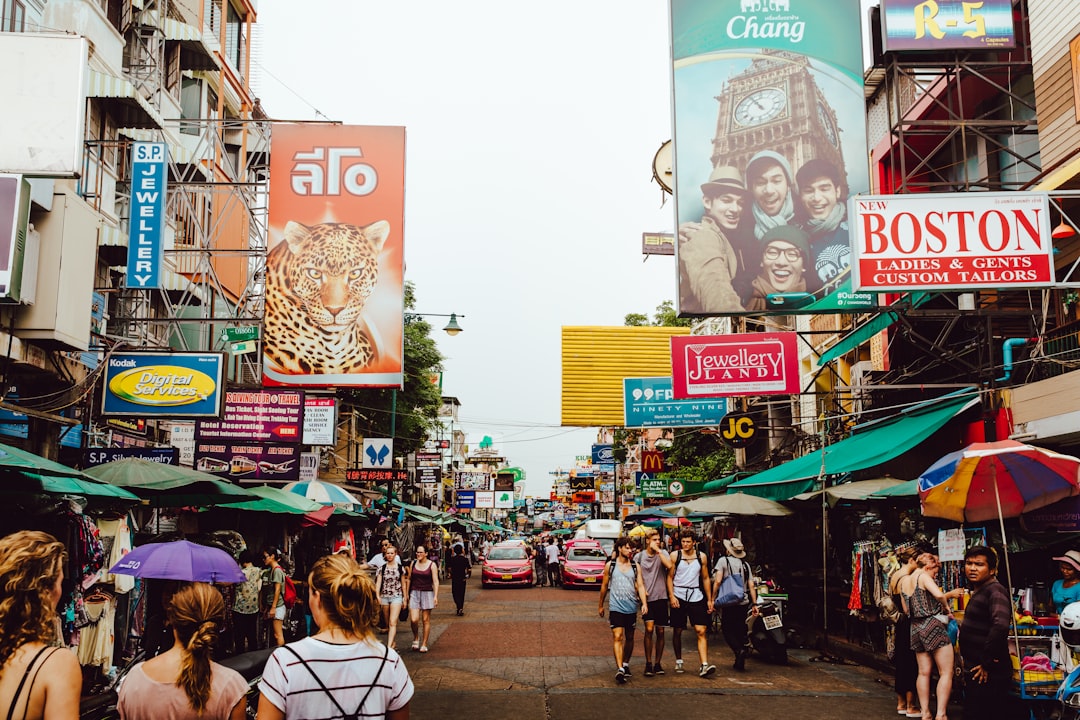
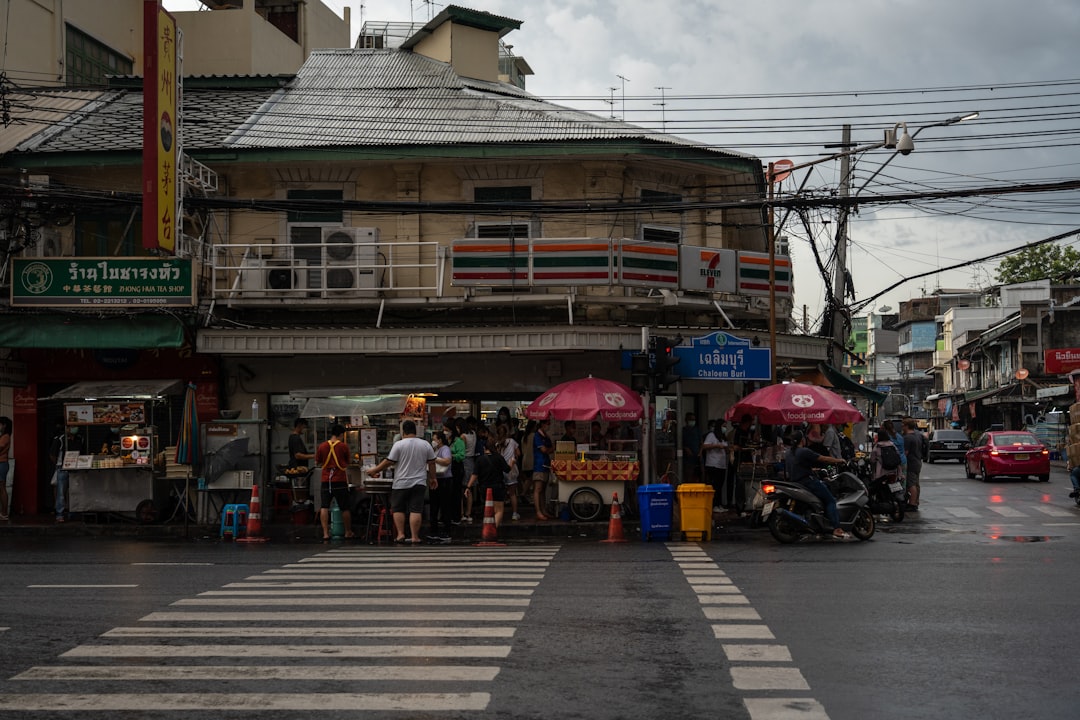
Bangkok is the obvious starting point for most arrivals. The infrastructure is world-class by regional standards — BTS Skytrain, MRT, international hospitals, coworking spaces, international schools, every cuisine imaginable. The expat communities here are large and well-organized, which makes integration relatively easy.
The tradeoff: traffic is brutal, pollution spikes in winter months, and the pace is relentless in a way that stops feeling exciting after a while. Bangkok works best as a base or a transitional city rather than a permanent destination for people seeking calm.
Chiang Mai
Chiang Mai is where people go when they want Bangkok's connectivity without Bangkok's chaos. The old city is compact and walkable, surrounded by mountains. The cost of living is lower. The digital nomad and expat communities are among the most developed in Southeast Asia — there are neighborhoods here where you can go weeks barely needing Thai.
That density of English-speaking expats is both the draw and the caution. It's easy to build a life in Chiang Mai without ever deeply engaging with Thai culture. Whether that's a problem depends on what you're actually looking for.
I found that the further I moved from pure expat infrastructure, the more I understood what had drawn me to Thailand in the first place. The language barrier forces a kind of presence — you read faces, context, energy. It recalibrates how you pay attention.
Hua Hin and Pattaya
Popular with retirees, particularly those on the Thailand retirement visa. Hua Hin is quieter, coastal, and upscale. Pattaya is louder, cheaper, and more notorious — but it has a surprisingly large permanent expat population beyond the nightlife economy, including retirees and families who stay for the practical infrastructure.
Koh Samui, Phuket, Koh Lanta
Beach islands. Beautiful. But island living comes with real constraints: limited medical facilities, higher prices, fewer job and business opportunities, and a tourist-economy rhythm that can feel hollow if you're staying long-term. Best as seasonal or part-time bases.
Thailand Expat Communities and Social Integration
One of the underrated factors in a successful relocation to Thailand is community — not the influencer version of "finding your tribe," but the practical reality of having people around who understand your context.
Thailand expat communities are genuinely strong. Facebook groups (expat-specific, city-specific), local meetups, coworking spaces, and long-running online forums like ThaiVisa mean you almost never have to figure something out alone. When I first arrived, I had questions about everything from SIM card setup to getting a Thai bank account. Within 48 hours of asking in a Chiang Mai expat group, I had three different people offering to walk me through it in person.
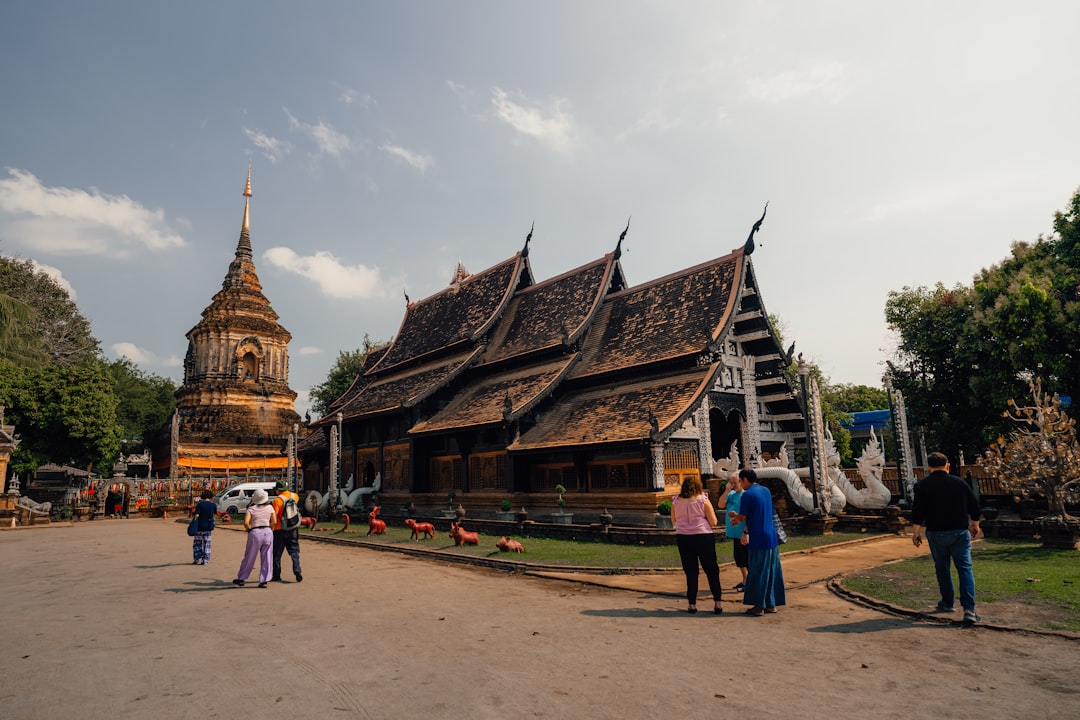
The social integration with Thai people is a different but more rewarding project. Language helps enormously — even a basic grasp of Thai (which is genuinely learnable for conversational purposes in 6–12 months of consistent study) changes how Thai people engage with you. You shift from tourist to resident in their eyes. Doors open that aren't visible from the outside.
Thailand Work Permit and Income Options
If you're not retired and not on a passive income stream, you need to understand the work permit situation clearly.
Employed by a Thai company: Requires a Non-B visa and work permit. The company must meet specific staffing ratios (typically 4 Thai employees per foreign worker). The process is bureaucratic but well-worn — companies do this regularly.
Self-employed / running your own Thai business: Similar Non-B path, but with additional requirements around registered capital. Seek legal advice before structuring a Thai company.
Remote work for a foreign company: Technically, working on a tourist visa or visa exemption is illegal, even if your income comes entirely from outside Thailand. In practice, enforcement against desk-based remote workers is rare to nonexistent — but you're operating in a legal grey area. The LTR Visa for remote workers was designed to formalize this, with legal right to work included.
Thailand Digital Nomad Visa (DTV): Launched in mid-2024, this allows remote workers to stay for up to 180 days per entry (5-year validity). It requires proof of $40,000 in savings or income and doesn't include a work permit — you're legally permitted to work remotely for foreign employers, not to work for Thai entities.
For most remote workers earning $3,000–$8,000/month from foreign sources, the DTV is currently the cleanest option.

Honest Tradeoffs: What Thailand Won't Fix
Thailand is genuinely life-changing for the right person in the right situation. But there are real limitations that deserve honest acknowledgment:
Visa insecurity is permanent. Unlike permanent residency in countries like Portugal or Mexico, Thailand offers no clear path to long-term legal certainty for most expats. Every year is a renewal. Rules change. This is the single biggest systemic risk for people building their lives here.
Healthcare quality varies by city. Bangkok and Chiang Mai have excellent private hospitals. Outside major urban centers, the standard drops sharply. Anyone with serious or complex medical needs should research hospital access before choosing a base.
Property ownership is restricted. Foreigners cannot own land in Thailand. Condominiums can be purchased in the foreign quota (49% of units in a building). Long-term leases (30 years, sometimes extendable) are the alternative. The property market is navigable, but requires a lawyer and due diligence.
Cultural friction is real, even when you love the culture. Thai social norms — face-saving, indirect communication, the role of hierarchy — can create genuine friction in business and daily life. This doesn't diminish the country; it's simply a different operating system than most Westerners are trained for.
The peace of mind I found in Thailand came partly from these frictions, not despite them. Being forced to slow down, to read situations differently, to sit with uncertainty — that's not a bug. But it's useful to go in knowing it's part of the package.
Practical Checklist Before You Move
- [ ] Choose and apply for the correct visa before departure
- [ ] Open a Thai bank account (Bangkok Bank and Kasikorn Bank are most foreigner-friendly — bring your passport, visa, and address proof)
- [ ] Get a local SIM (AIS, DTAC, or True Move — available at the airport, ~300–600 THB for tourist/monthly plans)
- [ ] Research international health insurance options (Pacific Cross, Cigna, BUPA Thailand are common choices)
- [ ] Join at least one city-specific expat Facebook group before arriving
- [ ] Research your specific neighborhood for proximity to hospitals, transport, and coworking if needed
- [ ] Understand your tax situation in your home country — some countries tax worldwide income regardless of residence
FAQ
How much money do I need to move to Thailand?
For a comfortable setup without feeling restricted, budget $1,000–$1,500/month for Chiang Mai or smaller cities, and $1,500–$2,500/month for Bangkok. Initial setup costs (deposit, furniture, SIM, transport) typically run an additional $500–$1,500. The retirement visa requires 800,000 THB (~$22,000) in a Thai bank account, but standard living costs are significantly lower than that figure suggests.
Can I work remotely in Thailand legally?
Yes, through the right visa. The Thailand Digital Nomad Visa (DTV) launched in 2024 allows remote workers employed by foreign companies to live and work in Thailand for up to 180 days per entry over a 5-year period. It requires proof of $40,000 in savings or foreign income. The LTR Visa covers higher-income remote workers with additional benefits. Working on a tourist visa exemption is technically illegal, though enforcement is rare.
What is the best city in Thailand for expats?
It depends on what you're optimizing for. Chiang Mai wins for cost, community, and quality of life for remote workers and retirees. Bangkok wins for infrastructure, career opportunities, and connectivity. Hua Hin and Phuket suit retirees and people who prioritize coastline over urban amenities. Most experienced expats recommend spending at least one month in your shortlisted cities before committing to a lease.
Is Thailand safe for foreign residents?
Thailand is generally safe for daily life — street crime against foreigners is uncommon in residential areas. Traffic is the real risk: road accident rates in Thailand are among the highest in Southeast Asia, and motorbike accidents are the leading cause of serious injury among expats. Exercise caution on roads, wear helmets, and avoid driving on unfamiliar roads at night.
Do I need to speak Thai to live in Thailand?
No — you can build a functional daily life in Bangkok or Chiang Mai without speaking Thai. English is widely spoken in expat areas, tourist zones, and among younger urban Thais. That said, even basic Thai changes your experience dramatically. Vendors, landlords, and neighbors respond differently when you attempt the language. It signals respect and genuine engagement, and Thailand tends to return that energy. Apps like Pimsleur or Ling are useful for early-stage learning; a local tutor (400–600 THB/hour) accelerates progress significantly.